7.8 million people work in the coal industry worldwide. 45,000 do so in Australia. If the industry were to be closed down, it would put all of these people out of work, and would threaten the livelihoods of those who depend on them.
Fact:
It’s true that phasing out coal will eliminate millions of jobs, but that is the same with any industry in transition. When typesetting was automated, large numbers of skilled workers lost their jobs. The same happened when cars replaced horses as the principle means of road transportation. Computers eliminated a vast array of jobs, but created many more in other fields.
In Australia, many jobs were lost when the footwear, clothing and textile industries were closed down in the 1980s, and when the car industry was jettisoned thirty years later. That didn’t stop the government from supporting or initiating those changes. Nor did it affect the Australian economy in the long-run. In fact, the changes were overwhelmingly beneficial, as they allowed workers to move into better, higher-paid jobs.
The fact is, there can be no economic development without some dislocation. The key is to ensure that workers can transition into other areas of employment. In nations where that happens, there is little objection to such change. But in ones where workers are left to fend for themselves, the result can be greater poverty, more crime and less social cohesion.
Finally, in Australia’s case it’s worth remembering that decisions about the future of the coal industry will not be made locally but overseas. This is because 77 percent of the coal the nation produces is exported. The problem is, Australia’s trading partners are already transitioning away from coal, and as they do so, export revenues will shrink. There is nothing whatever that Australians can do about this.
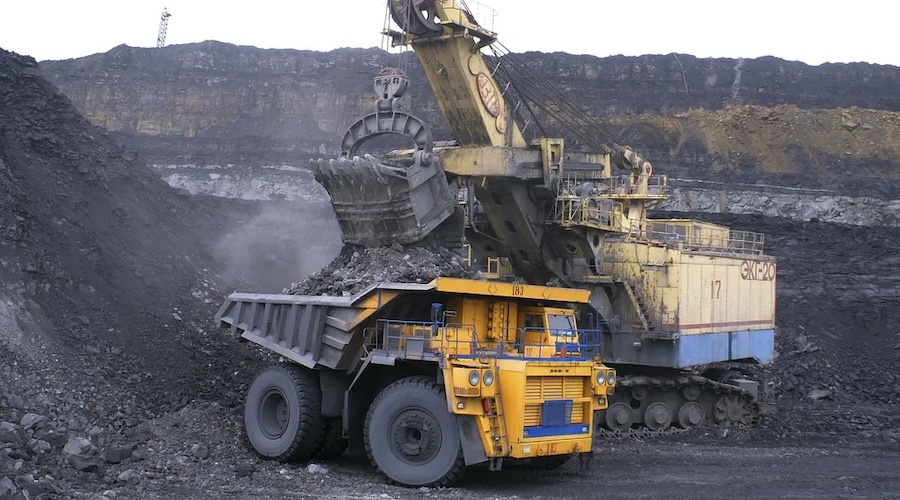
Coal Mining in Australia [Source: Rawpixel.com]