
In 2009, a series of emails between two prominent climate scientists were hacked. These showed a conspiracy on the part of the pair to fudge the climate data. This completely discredited climate science.
Fact:
The hacked emails didn’t discredit anything. Climate sceptics totally misrepresented what the scientists were discussing in those emails. They were talking about the so-called ‘divergence problem’, which was a minor issue in climate science. [It referred to the relationship between temperature and the width of tree rings in Arctic regions. That relationship changed after 1960, and at the time the emails were written scientists did not fully understand the reason why. The problem has now been largely resolved.] In one of the hacked emails, Professor Phil Jones (Director of the Climatic Research Unit at the University of East Anglia) said that he had come up with a ‘trick’ to reconcile an aspect of the divergence problem. Climate sceptics used this as evidence that Professor Jones and his fellow correspondent (Professor Michael Mann) were perpetrating fraud. Nothing could be further from the truth. In science, a ‘trick’ is jargon for a solution, not a falsehood. Professor Jones was proposing a solution to an aspect of the divergence problem. His words were taken completely out of context.
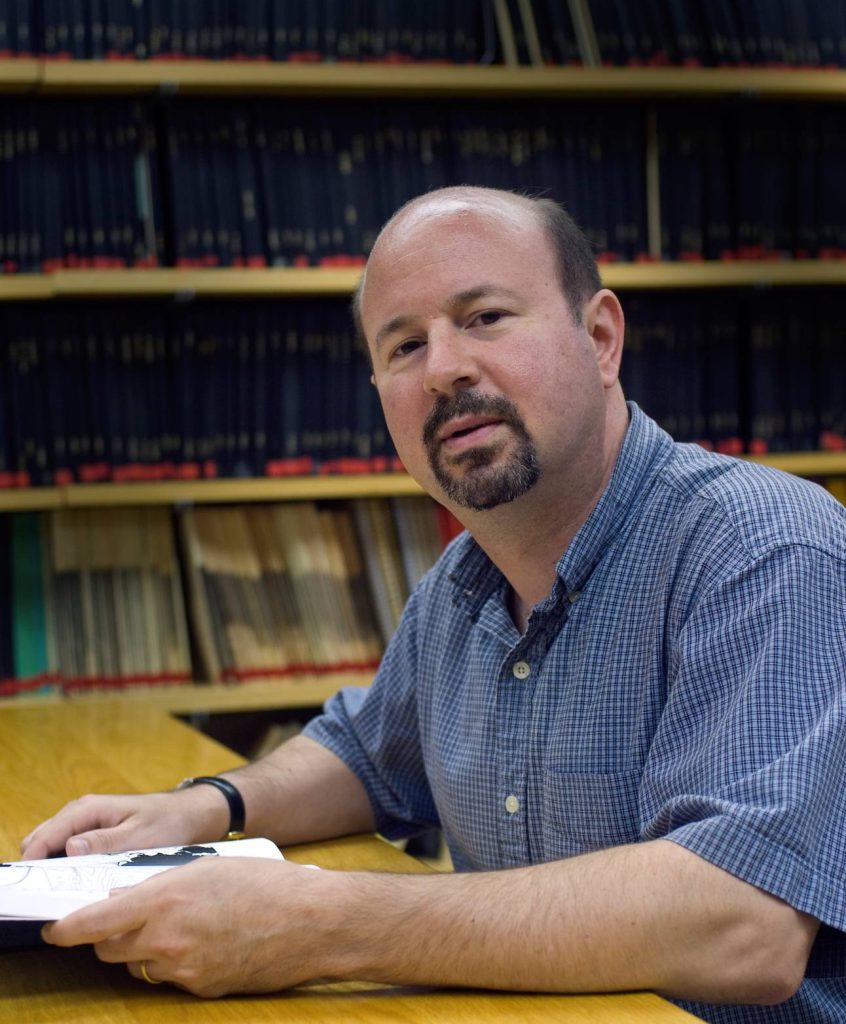
Professor Michael Mann [Source: Professor Michael Mann]